
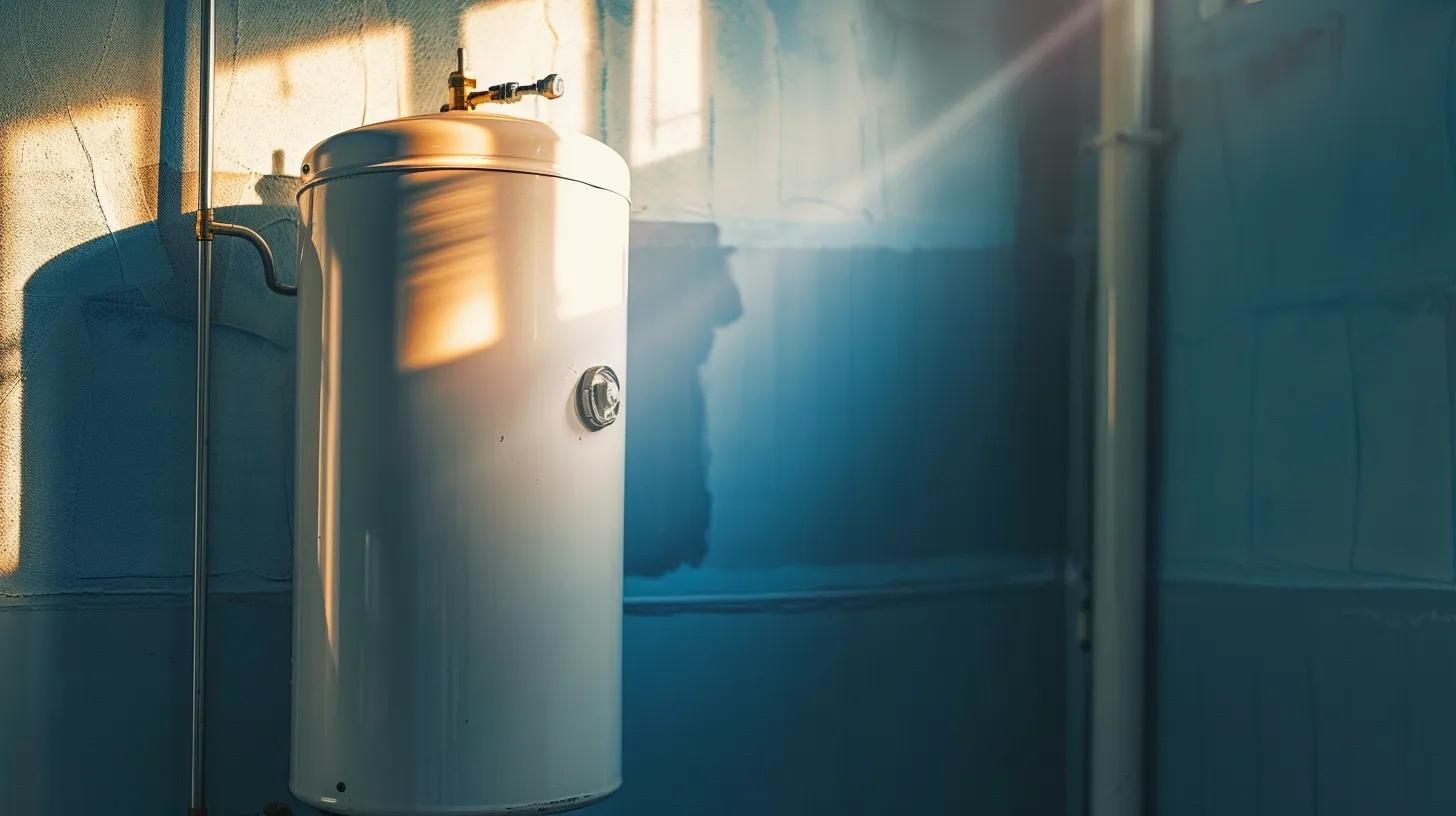
Extend Your Water Heater’s Life: Practical Maintenance That Pays Off
Your water heater is one of the biggest comfort investments in your home. Regular care prevents sediment buildup, corrosion, and thermal stress that shorten its life and drive up energy bills. This guide walks through the maintenance that matters most—flushing sediment, inspecting and replacing anode rods, testing the temperature-and-pressure relief valve, handling hard water, adding expansion tanks, and insulating the system—to keep your heater efficient and reliable. You’ll find clear how-to steps, safety reminders, warning signs that need professional attention, and a recommended maintenance cadence for both tank and tankless systems. Helpful checklists and comparison tables show when to act, and numbered procedures give homeowner-friendly, safety-first instructions you can follow with confidence. We also include local service options for homeowners who prefer a technician to handle the work.
Tradition Services provides plumbing and HVAC water heater service across Tomball, Cypress, and The Woodlands and can schedule maintenance or estimates for homeowners who prefer professional assistance; contact Tradition Services to arrange an appointment or estimate for service.
How Often Should You Flush Your Water Heater to Remove Sediment?
Flushing a tank-style water heater clears sediment—minerals like calcium and magnesium—that settles on the tank bottom and reduces heat transfer, shortens element life, and causes noisy operation. Regular flushing restores efficiency, reduces on/off cycling, and lowers corrosion risk by removing abrasive particles that otherwise settle and cause localized overheating. For most homes, an annual flush is a good baseline; households with hard water or heavy use should flush more often. Tankless units aren’t drained the same way and require periodic descaling instead. Below we explain flushing, offer a homeowner step-by-step guide, and give a simple frequency comparison based on heater type and water hardness.
What Is Water Heater Flushing and Why Is It Important?
Flushing means draining part or all of the tank to remove settled sediment and suspended particles that build up over time from dissolved minerals and particulates in your water. Sediment forms an insulating layer on heating elements or the tank floor, forcing the unit to run longer and use more fuel or electricity while hastening wear. Flushing restores better heat transfer, reduces popping or rumbling noises, and lowers the chance of localized corrosion that shortens tank life. Knowing how sediment behaves helps you decide how often to flush based on water hardness and household use, and it sets the stage for the safe DIY procedure below.
How to Flush Your Water Heater: Step-by-Step Guide
Use this homeowner-friendly, safety-first procedure for a standard tank water heater. Read all steps before you start, wear gloves and eye protection, and avoid any gas-control steps if you’re unsure; stop and call a professional if you find leaks, damaged valves, or gas-ignition problems.
- Turn off power: cut the breaker for electric heaters or set the gas control to “pilot” on gas units.
- Shut off the cold-water feed to the heater and attach a garden hose to the drain valve, directing it to a safe-outdoor drain or floor drain.
- Open a hot-water tap inside the home to let air into the system, open the drain valve, and let the tank drain until the water runs clear. If sediment is stubborn, briefly open the cold inlet to stir and flush it out.
- Close the drain, remove the hose, restore the cold-water supply so the tank refills, check for leaks, then restore power or relight the pilot following the manufacturer’s instructions.
When followed carefully with proper PPE, this routine minimizes risk. If the drain valve is corroded, the tank leaks while draining, or sediment is excessive, stop and arrange professional service.
Skipping routine maintenance on a water heater can lead to reduced efficiency, unexpected failures, or even serious safety hazards.
Neglected Water Heater Maintenance and Potential Failures
ABSTRACT: Residential heating systems and hot water heaters are often overlooked for routine maintenance and repair. Although manufacturers recommend annual preventative care, many units are not serviced until after a failure. Forgoing preventative maintenance can lead to equipment failures and consequences such as loss of heat, soot, and water damage. In more severe cases—beyond gas leaks—neglected systems have been linked to carbon monoxide incidents, fires, and, in rare situations, pressure vessel failures such as a boiling liquid expanding vapor explosion (BLEVE).
| Heater Type | Typical Flushing Interval | When to Increase Frequency |
|---|---|---|
| Standard tank (soft water) | 12 months | Heavy household use or sediment observed |
| Standard tank (hard water) | 6 months | Visible sediment, noisy tank, reduced hot water |
| Tankless water heater | Descale annually | Very hard water or heavy mineral deposits |
| Commercial / high-capacity tanks | Every 3–6 months | High daily demand or municipal supply variability |
Use this table to choose a maintenance cadence based on heater design and local water conditions. When unsure, inspect the drain water for grit and adjust frequency accordingly.
When and How Should You Inspect and Replace the Anode Rod?
The anode rod is a sacrificial metal part that protects the tank by corroding instead of the steel liner. Regular inspection prevents internal tank corrosion that leads to leaks and premature replacement. Many households inspect the rod every 3–5 years, but actual replacement depends on rod material, water chemistry, and usage. If the rod shows heavy pitting, severe coating, or is largely consumed, replace it promptly to preserve the tank. Below we explain how the rod works, common materials, and the signs that mean it’s time for a new one.
What Is an Anode Rod and How Does It Protect Your Water Heater?
An anode rod—usually made from magnesium, aluminum, or a zinc alloy—attracts corrosive elements through electrochemical action, protecting the steel tank by corroding first. Material choice affects depletion rate and performance: magnesium is very active and protects well in soft water but can corrode faster in aggressive chemistry; aluminum/zinc alloys may last longer in some supplies but have trade-offs. Understanding these differences helps you set inspection intervals and pick the right replacement to extend tank life.
| Anode Material | Typical Life Expectancy | Replacement Signal |
|---|---|---|
| Magnesium | 3–5 years | Heavy pitting, rod < 1/2 inch in diameter |
| Aluminum/zinc alloy | 4–6 years | Visible heavy corrosion or coating; odor persists |
| Zinc-coated or powered | 5+ years | Rust-colored water or reduced protection observed |
This comparison shows how material and condition guide replacement timing; inspect sooner if you have hard or aggressive water.
What Are the Signs of a Failing Anode Rod?
Spotting a failing anode rod lets you act before tank corrosion leads to leaks. Common indicators include unpleasant odors, discolored water, and faster sediment buildup. Use this checklist to prioritize action: a persistent rotten-egg smell often means sulfate-reducing bacteria interacting with a depleted rod; rusty or brown water points to iron corrosion; visible heavy scaling or severe pitting on the rod means replacement is due. Reduced hot water capacity or frequent reheating cycles can also signal a problem.
- Rotten-egg odor from hydrogen sulfide.
- Rust-colored or discolored water that continues after flushing.
- Visible heavy corrosion or pitting when the anode is inspected.
- Reduced hot water capacity or more frequent heating cycles than usual.
Replacing the anode promptly is usually far cheaper than replacing a corroded tank and will extend your heater’s usable life.
How Does Testing the Pressure Relief Valve Extend Water Heater Lifespan?
The temperature-and-pressure (T&P) relief valve protects the tank by discharging water if internal temperature or pressure exceeds safe limits, and periodic testing ensures this critical safety device will work when needed. A functioning valve prevents excess stress on tank seams and fittings that hasten fatigue and leaks; testing helps avoid latent failures that could lead to dangerous ruptures. Test the valve once or twice a year by lifting the lever briefly to confirm a short discharge and that the valve reseats without continuous leaking. The sections below explain why the valve matters and give a safe testing routine homeowners can follow.
Why Is the Pressure Relief Valve Important for Water Heater Safety?
The pressure relief valve is a required mechanical safeguard that opens to relieve unsafe pressure or temperature, preventing tank rupture and pipe damage. Overpressurization can come from thermal expansion in a closed system, failed thermostats, or blocked venting. A faulty valve allows pressure to build to dangerous levels, so regular testing and prompt replacement of a sticking or leaking valve are essential to protect both safety and the heater’s lifespan.
How to Test and Maintain the Pressure Relief Valve Properly
Testing the T&P relief valve is a simple but important check homeowners can perform if they follow basic precautions—stop and call a pro if the valve is severely corroded or stuck. Place a bucket under the discharge pipe, lift the valve lever briefly to allow water to flow, and confirm the valve opens and then reseats (flow should stop). If the valve keeps running after you release the lever, or if it leaks between tests, have it replaced quickly. Regular testing and timely replacement of a failing valve reduce tank stress and lower the chance of pressure-related failures.
How Can Water Softeners and Expansion Tanks Improve Water Heater Longevity?
Hard water speeds scale and sediment buildup on heating elements and inside tanks, while thermal expansion in closed systems creates pressure that stresses tanks and valves. Water softeners and expansion tanks address those two different problems. A softener reduces dissolved calcium and magnesium that form scale, improving heat transfer and cutting descaling needs. An expansion tank absorbs pressure spikes from heated water, protecting valves and tank seams. Below we cover how each device helps and offer a quick comparison to guide installation choices.
What Role Does a Water Softener Play in Preventing Sediment Buildup?
Water softeners use ion exchange to swap hardness minerals (calcium, magnesium) for sodium or potassium, reducing scale formation inside the heater and on elements. Less mineral buildup improves efficiency, extends element life, and reduces descaling frequency. Homes on municipal or well supplies with elevated hardness often see longer maintenance intervals after installing a softener. Whether to add one depends on measured hardness and your maintenance goals; softeners pair well with regular flushing and anode checks for complete protection.
| Device | Benefit | When to Install |
|---|---|---|
| Water softener | Reduces scale buildup and extends element life | High hardness levels or frequent scale issues |
| Expansion tank | Limits pressure spikes and protects tank/valves | Closed-system plumbing or presence of check valves |
| Both combined | Improves efficiency and reduces maintenance frequency | Homes with hard water and closed plumbing systems |
Combining these devices tackles both mineral and pressure threats, which helps maximize heater longevity and reduce service needs.
Why Install an Expansion Tank for Thermal Pressure Management?
An expansion tank accepts the extra volume of heated water in a closed plumbing system, preventing temporary pressure peaks that stress the heater and the T&P valve. Without one, repeated thermal expansion can cause valve cycling, leaks at fittings, and accelerated wear inside the tank. Installing the right-sized expansion tank to match your system volume and local code reduces mechanical fatigue and supports a longer service life. If your plumbing includes a backflow preventer, pressure-reducing valve, or check valve, adding an expansion tank is a wise precaution.
Frequently Asked Questions
What are the benefits of regular water heater maintenance?
Regular maintenance keeps your heater running efficiently, extends its lifespan, and reduces the chance of unexpected breakdowns. Tasks like flushing the tank, checking the anode rod, and testing the T&P valve prevent sediment buildup and corrosion—the most common causes of failure. Routine care also helps catch small issues early, saving on costly repairs and keeping hot water available when you need it.
How can I tell if my water heater is energy efficient?
Check your unit’s Energy Factor (EF) or Uniform Energy Factor (UEF) rating—higher numbers mean better efficiency. Watch your energy bills for sudden increases and note signs like inconsistent temperatures or longer heat-up times, which suggest the heater is working harder than it should. Regular maintenance and proper insulation help keep performance high.
What should I do if my water heater is making strange noises?
Popping, rumbling, or hissing usually point to sediment buildup or trapped air. Popping sounds often mean sediment is heating unevenly on the tank floor; rumbling can show the element is struggling. Try flushing the tank—if noises continue, have a professional inspect the heater to determine if elements, burners, or other components need service.
Can I perform water heater maintenance myself?
Yes—many routine tasks are homeowner-friendly, including flushing the tank, checking the anode rod, and testing the T&P valve. Always follow safety precautions and the manufacturer’s instructions. If you encounter leaks, gas smells, damaged parts, or anything outside your comfort level, call a licensed technician. Complex repairs and code-sensitive work are best left to professionals.
Conclusion
Keeping your water heater well maintained pays off in reliability, lower energy bills, and a longer service life. Regular tasks—flushing, anode checks, T&P testing, and sensible insulation—along with professional help for more complex needs, will keep your system running smoothly. If you’d rather leave it to the experts, Tradition Services offers local, dependable water heater maintenance tailored to Tomball, Cypress, and The Woodlands homeowners. Schedule a service to protect your investment and ensure consistent hot water for years to come.