water heater

Why Is My Water Heater Making Knocking Noises?

If you’ve been hearing a knocking sound coming from your water heater, it can be both confusing and frustrating. Many homeowners in Tomball often assume these noises are a minor inconvenience. But strange sounds are usually a sign that your water heater is dealing with a problem that should not be ignored. These issues do not always surface out in the open, so that clanging or knocking might be the only clue something is wrong.

In many cases, these sounds are caused by changes in pressure, heat activity, or buildup inside the tank. Some are a warning that a part needs attention. Others could mean your water heater is working harder than it should be, which may shorten its life or lead to a breakdown. Understanding the reasons behind these knocking noises can help you take action early and prevent costlier trouble later.

Common Causes Of Knocking Noises In Water Heaters

Knocking noises coming from a water heater can have multiple causes, and most of them point to internal problems that only show up as sound. Addressing these early can reduce wear and tear and help avoid full replacement.

Here are some of the most common reasons water heaters in Tomball start making knocking sounds:

1. Sediment Buildup

Over time, minerals and debris from water collect at the bottom of the tank. When water is heated, it bubbles up through this layer and creates popping or knocking noises. This is especially common in homes with hard water and can cause heaters to lose efficiency. If ignored, it can stress the tank and lead to damage.

2. Thermal Expansion

When hot water is drawn from the tank, cold water fills in. As this cold water heats up, it expands. That expansion can push against closed valves or pipe walls, causing sharp knocking sounds. This happens more often in closed-loop plumbing systems and can repeat daily if not corrected.

3. Water Hammer

If knocking or banging sounds happen right after a faucet is turned off, it might be due to water hammer. This occurs when flowing water is suddenly stopped, pushing pressure back through the pipes. The shock forces them to move and hit against surrounding parts. Water hammer does not just cause noise, it can damage valves and fittings.

4. Faulty Heating Elements

Some electric water heaters have heating elements that break, loosen, or burn out unevenly. This can cause whistling or clanking sounds during the heating cycle. If the knocking noise happens after the water is already hot, this might be what is going on.

These causes do not disappear on their own. For example, one homeowner in Tomball kept hearing loud knocks in the morning. It turned out to be years of sediment buildup that made the heater work harder every day. Once it was removed, the noise stopped, and the water started heating faster. That kind of fix not only helps with the noise, it improves the whole system’s efficiency.

If your water heater is making any of these sounds, it is worth having it checked. Addressing it early could be the difference between a small fix and a full system failure.

Risks Of Ignoring Knocking Noises

It is tempting to brush off the sound of a knocking water heater, especially if there are no visible leaks or changes in water performance. But waiting too long can lead to more serious and expensive problems. What starts as a small sound can signal wear that quietly builds up inside the system over time.

One of the biggest concerns is internal damage. Sediment can act like a barrier between the burner and the water, forcing the water heater to work harder and longer. This constant strain does not just waste energy, it can crack the tank lining or overheat key parts. If ignored, your water heater might stop working altogether or break down at the worst possible time like during a busy weekday morning.

Here are a few other issues that can arise from ignoring knocking sounds:

– Shortened lifespan: Continuous stress can reduce how long your water heater lasts
– Rising energy bills: A struggling heater uses more electricity or gas to do the same job
– Reduced hot water output: Sediment buildup reduces the tank’s capacity
– Pipe and valve damage: Water hammer effects can rattle and weaken plumbing joints

It does not take long for a small noise to turn into a big repair bill. Being proactive helps avoid not only damage but also the headache of going without hot water.

How Our Professionals Can Help

Once knocking sounds start, an inspection from trained professionals is usually the best route. Diagnosing the root cause helps make sure the right repair is done the first time. Our technicians bring in the tools and experience needed to pinpoint the issue quickly and safely.

Here is what our professionals typically offer when addressing knocking water heaters in Tomball homes:

1. Comprehensive Inspection Services

A detailed inspection helps identify if the knocking is linked to sediment, valves, tank pressure, or worn-out components. Technicians will check your system in full, including connecting pipes and shutoff valves. This approach avoids missing critical problems hidden behind the noise.

2. Effective Solutions for Sediment Removal

If the buildup is the problem, the tank can be flushed and cleaned professionally. Deep sediment may need power-flushing or tools that stir and break down hardened material. Once removed, the system doesn’t need to work as hard, which cuts down the knocking right away and supports long-term use.

3. Addressing Thermal Expansion Issues

For homes with thermal expansion problems, expansion tanks may be installed or adjusted. Replacing certain valves can also help regulate pressure that causes sounds. Our professionals ensure everything aligns with your home’s setup to stop the unnecessary stress on the system.

4. Replacing Faulty Components

If the heating element, valves, or pressure relief parts are worn or cracked, replacing them can restore normal function. Our technicians can advise if small part replacements or larger upgrades are the most cost-effective path forward.

By focusing on the actual cause of the knocking instead of treating just the symptom, homeowners avoid repeating repair issues that waste both time and money.

Preventing Knocking Noises In The Future

After your water heater is quiet again, the next step is making sure it stays that way. Prevention goes a long way in extending equipment life and cutting down on repeat service calls. A few small check-ins throughout the year can help homeowners in Tomball stop problems before they become more serious.

Simple steps that help minimize knocking noises:

– Regular maintenance and tank flushing, done once or twice a year
– Installing water hammer arrestors where needed to absorb pressure spikes
– Monitoring water pressure in your home and adjusting it if it gets too high
– Scheduling professional inspections to catch wear before it creates noise

Just like changing the oil in a car, routine upkeep on your water heater keeps it running properly. It is easier and cheaper to keep it clean and tuned than to deal with surprise breakdowns.

Resolving Water Heater Issues In Tomball With Tradition Services

Homeowners in Tomball dealing with water heater noise should take those sounds seriously. A knocking water heater does not fix itself. Whether the issue is buildup, pressure, or faulty components, these problems point to something in the system that needs help.

Fixing the issue early can stop damage before it starts. And setting up a simple maintenance routine gives your water heater a better chance to run smoothly year after year without clanging, knocking, or rattling through every morning shower.

For reliable upkeep that prevents unexpected breakdowns and ensures your water heater runs smoothly, consider scheduling water heater installation in Tomballto resolve issues like sediment buildup or aging components. Tradition Services delivers prompt and professional support to keep your plumbing system operating at its best. For a quick estimate or to book a service visit, please contact us today.
plumbing service

How to Clear Stubborn Grease Clogs in Kitchen Plumbing

Grease clogs are one of the most frustrating problems homeowners face with their kitchen plumbing. They don’t usually appear all at once, and that’s what makes them tricky. Over time, grease, fats, and oils from cooking get washed down the sink. These substances stick to pipe walls, especially when cooled. What starts out as a slow drain can turn into a complete blockage, leaving standing water in the sink and a kitchen that’s hard to use.

In Tomball, this is a common issue, especially for households that do a lot of cooking at home. When a kitchen sink stops draining properly, it quickly affects daily routines. Washing dishes, prepping meals, and even cleaning up after dinner become more stressful. Clearing these clogs quickly is the only way to get things back on track and protect your plumbing from long-term damage.

Causes Of Grease Clogs In Kitchen Drains

Most people don’t realize that even small amounts of grease can build up in pipes. Grease, fats, and oils don’t mix with water. When poured down the drain, they cool, solidify, and stick to the inside of the plumbing. Over time, more materials get trapped in that layer, narrowing the flow of water.

Several everyday habits contribute to this problem. Even actions that seem harmless can eventually lead to a clogged drain. Some of the main causes include:

– Pouring bacon grease, cooking oil, or butter down the sink

– Rinsing greasy pans and dishes without wiping them first

– Letting food scraps go down the garbage disposal

– Using only hot water in hopes it will wash grease away

Hot water won’t fully dissolve grease. It may temporarily move it down the pipe, but eventually it cools and thickens again. This creates a stubborn clog deep in the plumbing, which can’t be reached with simple cleaning methods.

One clear sign of grease buildup is a slow-draining sink. You may also notice gurgling sounds, unpleasant odors, or standing water that takes too long to clear. If any of these signs appear, the problem is likely past the early stage and needs immediate attention. Waiting too long only makes the clog harder to remove and increases the risk of full blockage or pipe damage.

Preventative Measures To Avoid Grease Clogs

Avoiding grease clogs starts with small, consistent changes in kitchen habits. Most people don’t purposely damage their plumbing. It just happens because they don’t realize what causes the issue. Shifting some kitchen routines can go a long way in keeping drains clean.

Here are some useful tips for grease prevention:

  1. Never pour grease or oil down the drain. Let it cool and dispose of it in a sealed container.
  2. Wipe greasy pans and plates with a paper towel before washing. This keeps thick grease out of the pipe system.
  3. Use kitchen strainers or sink baskets. They catch food debris and help prevent scraps from entering the drain.
  4. Install a grease trap if your kitchen sees heavy use. These are especially helpful for large households or frequent home cooks.
  5. Run hot water and dish soap briefly after cleaning oily dishes. It won’t eliminate grease but can help reduce residue on pipe walls.

These simple habits can help delay or even prevent grease buildup. Still, even with good habits, grease can slowly find its way into the plumbing. That’s why it’s smart to pair these practices with occasional check-ins from a plumbing professional, especially if you’ve dealt with repeated clogs.

Professional Solutions For Stubborn Grease Clogs

Some grease clogs go beyond surface-level problems. When buildup sits in your pipes for too long or settles deep into the system, simple cleaning methods won’t cut it. That’s when it becomes more than just an inconvenience. A clogged drain in Tomball can disrupt your day, damage your plumbing, and become expensive if ignored.

Store-bought drain cleaners can harm your pipes and often don’t fully break up thick grease deposits. Plungers or drain snakes might help with loose clogs, but they can’t reach deep, compacted layers. The longer grease sits, the harder it is to remove without the right tools. That’s where our professionals are a smart next step.

Our technicians use a combination of camera inspections, hydro jetting, and industry-grade cleaners that target hardened grease without damaging the pipes. With professional evaluation, we can identify where the clog is, how severe it is, and what equipment is needed to fix it. This avoids trial and error and cuts down on wasted time.

Relief doesn’t have to wait. If your kitchen sink drain is backing up, draining slowly, or giving off foul smells, those are all signs a serious clog could be forming or already there. Relying on a professional ensures the job gets done right and keeps your system clear longer. Especially for homes in Tomball with older plumbing or frequent sink use, expert solutions are often the only way to restore flow and reduce future issues.

Why Regular Maintenance Is Important

Grease clogs don’t form overnight. They happen slowly as waste collects over time. That’s why routine maintenance is one of the best strategies for avoiding a clogged drain in Tomball. With the right care, even high-use kitchens can stay trouble-free for years.

Regular professional check-ups help catch early signs of buildup before they become full-blown clogs. Our technicians can look inside your pipes and spot where grease is starting to collect. This insight lets you make small adjustments or schedule a deep clean to stay ahead of the problem.

Regular maintenance brings several long-term advantages:

– Fewer surprise clogs or backups

– Less strain on your plumbing system

– Longer lifespan for pipes and drain systems

– Better performance during heavy kitchen use such as holidays or family gatherings

If your home has dealt with more than one clog in recent months, or if your kitchen sink tends to drain slowly even after cleanings, that’s a good sign maintenance is overdue. Consistent care will lower your chances of emergency repairs down the line and keep your daily kitchen routine running smoothly.

Keeping Your Kitchen Plumbing In Top Shape

Tomball homeowners know that small problems can quickly turn into major headaches. Stubborn grease clogs impact how your kitchen operates and can even lead to more serious plumbing damage if ignored. The good news is they’re preventable with the right habits and support.

Simple changes like keeping oil out of the sink, wiping pans before rinsing, and scheduling regular maintenance can make a big difference. But when problems do happen, it’s always smart to handle them the right way the first time. Rushing for quick fixes can lead to more damage or short-term results.

Kitchen plumbing doesn’t need to be a constant worry. With attention to your routine and access to professionals who know what to look for, it’s possible to keep grease clogs out of your plumbing and focus more on the things that actually matter in your home.

If you’re dealing with a persistent clogged drain in Tomballthat’s disrupting your kitchen routine, Tradition Services offers fast, reliable solutions to restore proper flow and protect your plumbing. For a quick estimate or to book a service visit, please contact us today.
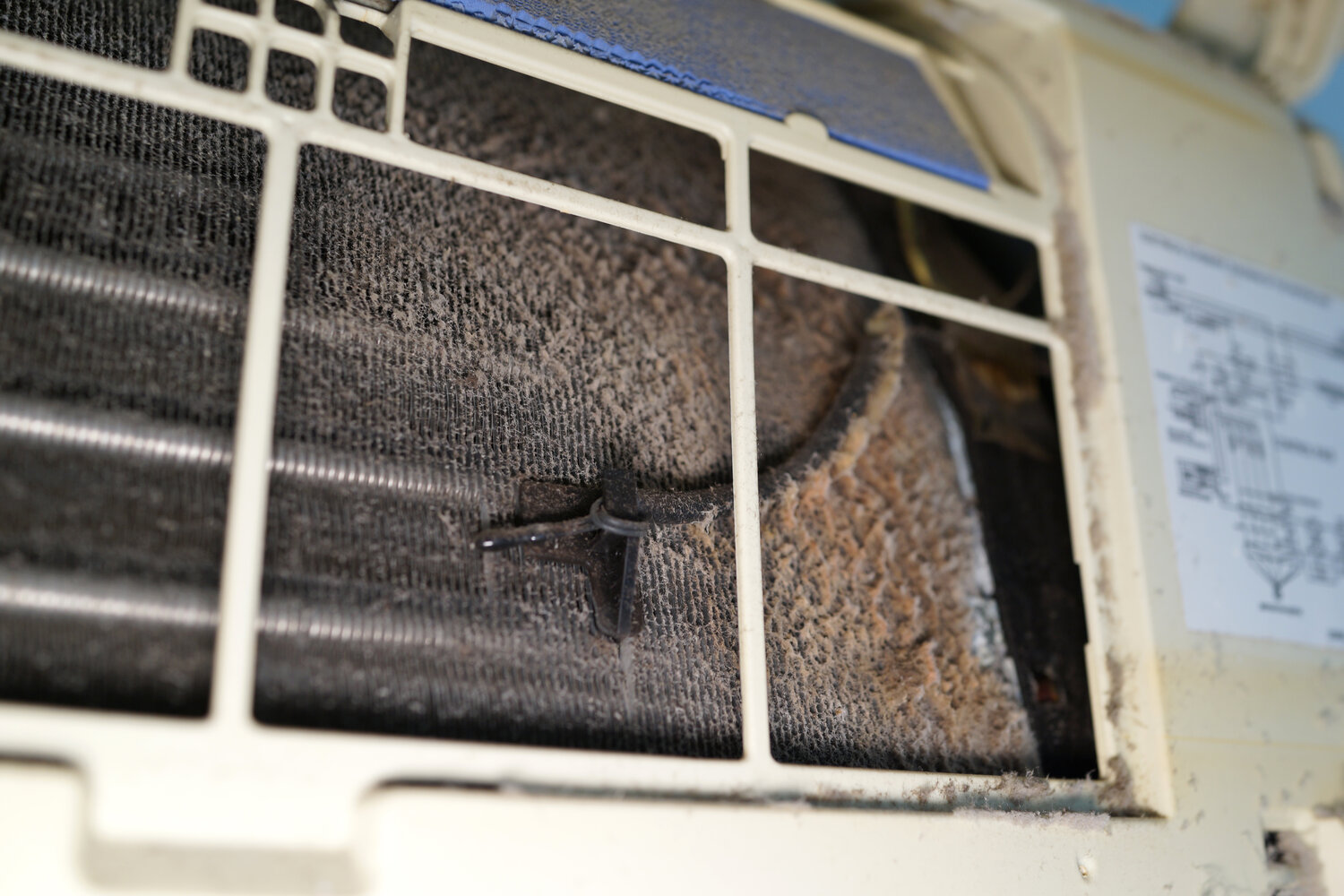
dirty ac

Why Your AC Filter Gets Dirty So Quickly and What to Do About It

A clean AC filter acts as the first line of defense for your air conditioning system. It keeps dust, allergens, and debris out of your equipment while helping your home stay cool and comfortable. But when filters clog up faster than expected, they can’t do their job. If you’re replacing filters constantly or noticing reduced airflow, you might be wondering what’s causing the quick buildup. You’re not alone. Many homeowners in Tomball face this issue during the warmer months when the AC runs more often than usual.

Living in Tomball brings certain local conditions that can accelerate filter dirt. From seasonal pollen to construction dust and higher humidity levels, your system is exposed to a variety of particles that can clog filters quickly. Knowing why your AC filter gets dirty so fast helps you catch problems early and avoid damage to your cooling system. It also keeps your energy bills from creeping higher due to reduced efficiency.

Common Reasons for a Fast-Dirtying Filter

There isn’t always a single cause behind quick filter clogging. In Tomball, several environmental and household factors can build up together, making your filter trap more debris in less time. Some of the most common contributors include:

1. High pollen levels: Tomball summers often bring heavy amounts of pollen. Your filter traps much of this when outdoor air enters your home, especially if you leave windows or doors open.

2. Pet hair and dander: If you have dogs or cats, their fur and skin flakes can easily clog an AC filter. Even regular grooming might not fully cut down on airborne particles.

3. Open windows and doors: Letting in fresh air may feel good, but it also brings in outdoor dust and allergens that the filter has to catch.

4. Construction dust: Home improvement projects or nearby roadwork can push more dirt and particles into your indoor space, giving your filter more to filter out.

5. Poor indoor air circulation: If air doesn’t circulate well, dust settles faster and gets pulled back through your HVAC system, blocking your filter sooner than you’d like.

For example, a homeowner in Tomball might clean every week and still deal with constant filter changes during dry summer spells. If the home backs up to a frequently used road or a property under renovation, dust from those sources makes its way into their system daily. That adds layer after layer to filters that already handle pet dander and humidity-driven mold particles.

All of these conditions point to the importance of seeing your AC system as more than just a cooling unit. It acts as a filter for your entire living space. When filters clog faster, it affects the performance of your entire system, even if the rest of the equipment is running well.

How a Dirty Filter Impacts Your AC System

Air still moves through your vents when your filter is clogged, but not as freely. Your AC system ends up working harder to pull the same amount of air through a blocked surface. What this means over time isn’t just a drop in comfort, it’s a rise in repair costs and system strain.

Here are key ways a dirty AC filter affects your home:

1. Reduced cooling efficiency: With limited airflow, your AC can’t push enough conditioned air into your space, making rooms feel warmer than they should be.

2. Higher utility bills: A clogged filter forces your unit to use more energy for the same job, pushing up electricity use whether you realize it or not.

3. Excess stress on system components: Fans, motors, and coils have to work harder when breathability drops. That extra load can shorten the life of these parts.

4. System overheating and breakdown: Entire shutdowns can happen when blocked filters trap heat that your system needs to release during operation.

For Tomball homes exposed to high dust levels, failing to manage this issue can mean more than just discomfort. It can lead to complete AC failure during the summer months when consistent home cooling matters most.

For Tomball homes exposed to high dust levels, failing to manage this issue can mean more than just discomfort. It can lead to complete AC failure during the summer months when consistent home cooling matters most.

Ways to Slow Down Filter Buildup in Tomball Homes

Keeping your AC filter from getting dirty too quickly isn’t just about replacing it often. It’s about reducing the number of particles it has to catch in the first place. Homeowners in Tomball, especially during the hot summer months, can take a few preventive steps that lighten the filter’s workload and help the entire HVAC system run more efficiently.

Here are easy but effective steps that work well for Tomball households:

1. Schedule AC maintenance in Tomball at least twice a year. Our professionals can inspect and clean components that indirectly affect how dirty your filter gets.

2. Change your air filter regularly. A good rule is once every 30 to 60 days, but this may need to be sooner for households with pets or allergies.

3. Keep doors and windows shut. This limits how much outside dust and pollen make it inside, especially on windy or dry days.

4. Use vented hoods and bathroom fans. These help reduce humidity and airborne pollutants, which both add strain to your filter.

5. Run an air purifier in high-traffic areas. This traps pollutants before they even reach the AC filter.

6. Vacuum and dust more often. Clean surfaces and floors mean fewer airborne particles floating into your duct system.

Staying proactive helps reduce how fast your filter gets clogged, which leads to better long-term cooling performance. For a household in Tomball near ongoing construction or heavy traffic roads, these steps are even more valuable. That one hour of maintenance now can prevent system breakdowns or high power bills later in the season.

When to Swap Your AC Filter for a New One

Knowing when to change your AC filter isn’t always obvious. You don’t need specialized tools or training to spot the signs, but ignoring them can lead to avoidable issues.

Common signs it’s time for a new filter include:

1. Weaker airflow from your vents

2. Dust collecting around vents or on furniture more quickly

3. A filter that is visibly dirty or dark gray when pulled out

4. Family members experiencing more allergy symptoms indoors

5. Rooms that feel warmer than the set temperature

Filters can clog quicker during the Tomball summer when systems run longer and stay on all day. Pooling dust around indoor vents and musty smells coming from the registers can also be clues that your filter isn’t doing its job anymore. Checking your filter each month, especially during peak usage, helps keep things in check before bigger issues happen.

Don’t Let a Dirty Filter Lower Your AC’s Life Expectancy

A clean AC filter isn’t just about better airflow. It plays a big role in system health and energy use. When filters are clean, your HVAC system doesn’t have to put in extra hours to keep your house at a comfortable temperature. That means fewer breakdowns, longer equipment lifespan, and better indoor air quality.

In Tomball, where dust, pollen, and humidity levels can rise quickly during the summer, regular filter checks and scheduled maintenance are key. If your filters are clogging faster than expected despite basic upkeep, there may be other issues affecting system performance. Keeping the system well-tuned helps reduce that stress and ensures cooling stays consistent, even during the hottest weeks of the year.

Don’t overlook the filter. It’s a small part of your AC system, but it influences everything from monthly costs to air quality. Scheduling professional AC maintenance in Tomball helps identify problems before they grow and keeps filter cycles more predictable. It’s one of the smartest ways to keep your home cool and comfortable.

If you want to prevent airflow issues and avoid unnecessary strain on your system, regular AC maintenance in Tomballcan keep your cooling running efficiently throughout the season. Trust Tradition Services to deliver expert care tailored to local conditions and your home’s needs. For a quick estimate or to book a service visit, please contact ustoday.

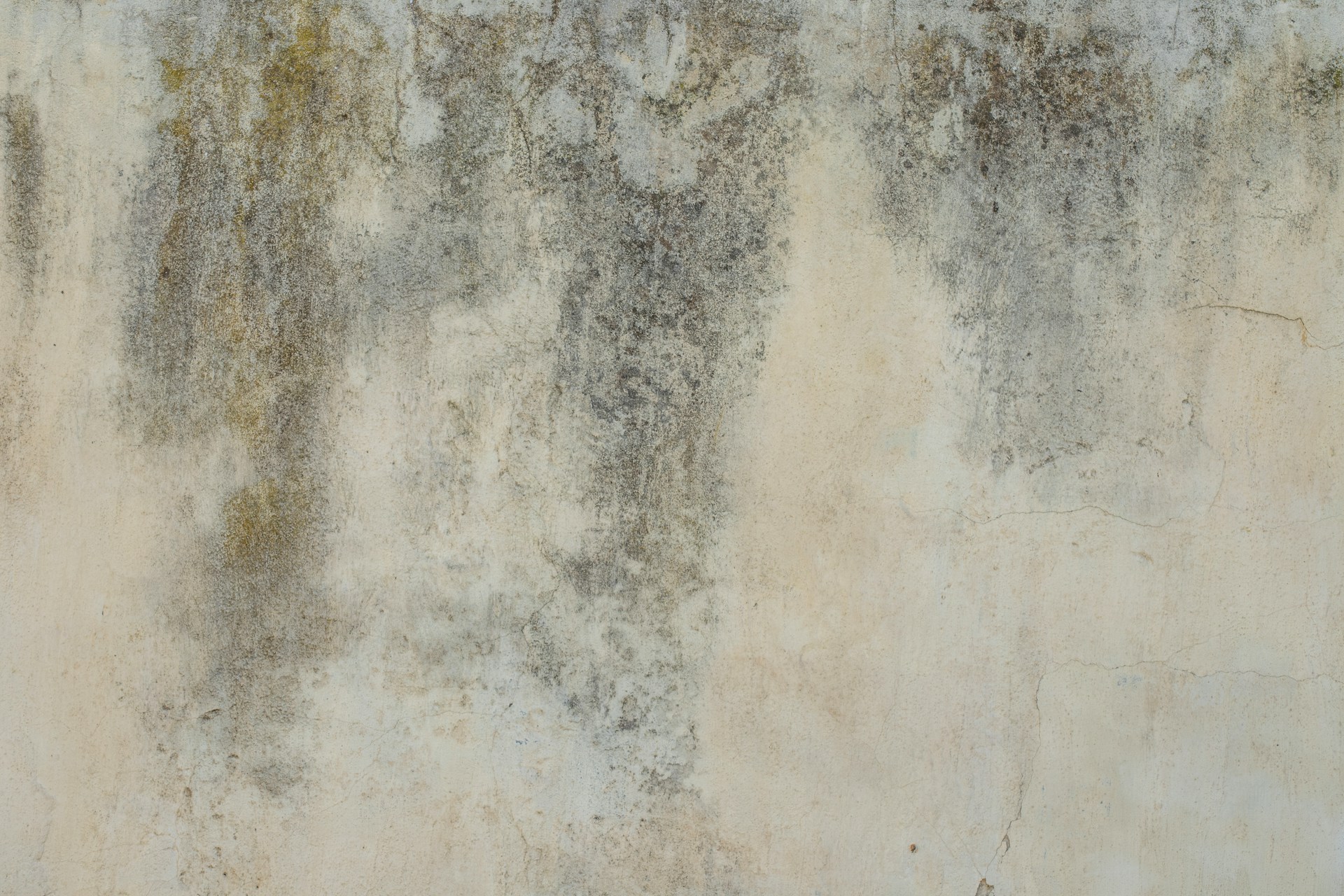
foundation with molds

Detecting and Addressing Slab Leaks Before They Cause Damage

Slab leaks can be a serious issue, especially for homeowners in Tomball. These hidden leaks occur beneath the concrete foundation of a house, making them difficult to detect early. When left unaddressed, they can lead to costly repairs, structural damage, and even mold growth. Many homeowners don’t realize something is wrong until moisture starts to show up inside or around their home, and by then, the damage may already be underway.

It’s important for homeowners to know what causes slab leaks, how to spot them, and what steps to take when something seems off. Early detection gives you a better chance to stop the damage before it spreads. Plumbing issues that start small under the slab can quietly weaken the home’s foundation, so acting quickly and reaching out to the right help makes a real difference.

Common Causes Of Slab Leaks In Tomball Homes

Understanding how slab leaks start is key to preventing them. Most slab foundations hide a network of water pipes, usually neatly placed in trenches under the concrete. Over time, these pipes can wear out or shift, leading to cracks, pinhole leaks, or full breaks.

There are several reasons a slab leak might develop:

– Soil movement: Tomball’s soil can shift due to dry spells followed by heavy rain. This puts pressure on the foundation and may lead to pipe movement or breakage.

– Pipe corrosion: Older plumbing systems, especially ones made with certain metal pipes, are more prone to corrosion. That corrosion weakens the pipe walls over time.

– Poor installation: In some cases, poor plumbing setup or building shortcuts during construction can cause long-term stress on certain pipes under the slab.

– Water pressure problems: If water pressure is not controlled properly, it can cause long-term wear and tear on the pipes hidden beneath the home.

– Abrasion from other materials: Over time, pipes may rub against the concrete or gravel they rest on, wearing down the protective material and exposing the pipe to leaks.

Each of these causes might start with small shifts or mild erosion, but they can grow into expensive and damaging problems if ignored. Unlike above-ground plumbing breaks, slab leaks aren’t easy to visually detect. That’s why knowing the signs becomes just as important as understanding the causes.

How To Tell If You Have A Slab Leak

Spotting the warning signs early helps you avoid bigger problems down the line. Since the pipes are buried under your home, the typical signs of a leak won’t always be obvious. But there are a few things that often show up when something’s not right.

Homeowners in Tomball should look out for the following:

– Damp or warm spots on floors, especially in the middle of a carpet or tile space

– Water pooling near the base of the walls or flooring edges

– Mold or mildew smells that don’t match any visible damage

– Hearing water running even when all faucets are turned off

– Unexplained increases in water bills

– Drop in water pressure that doesn’t clear up

One example of a common situation might be a family that notices their wooden floors begin to warp slightly, and their water bill rises even though usage hasn’t gone up. These signs often point to a leak under the slab and call for a closer look through professional water leak detection in Tomball.

Sometimes, people think minor moisture or warm spots are from spills or hot temperatures outside. That’s why it’s easy to overlook these early warning signs. When signs like these appear more than once, they shouldn’t be brushed off. Acting early helps keep the damage from spreading to areas like walls, floor coverings, and even the foundation.

Steps To Take When You Suspect A Slab Leak

Slab leaks can’t always be prevented, but when you catch them early, you have more control over the damage. The first sign usually isn’t a flood. It’s something small, like a warm area on the flooring or an unexplained rise in your water bill. Once you see a sign, don’t wait.

Here’s what you should do next:

  1. Shut off your main water supply to stop further damage.
  2. Make note of the signs you observed, including where and when they appeared.
  3. Avoid breaking into walls or flooring without a professional inspection.
  4. Contact professionals who handle water leak detection in Tomball to get a prompt inspection.

Trying to locate or fix a slab leak on your own isn’t a good idea. Without the right tools and training, you could make the problem worse or miss the real source altogether. Our professionals use specialized equipment to find leaks without tearing up floors or walls first. Knowing exactly where to start keeps repairs limited to where they’re needed and saves the structure of your home from extra damage.

Once the leak has been located, repairs can range from pipe accesses through the slab to rerouting plumbing above ground. The solution depends on the age of your plumbing system, how far the leak has spread, and what’s involved with accessing the damage. Having our technicians on site gives you a clear plan to follow, whether it’s making a small repair or preventing a larger one down the line.

Preventative Measures To Reduce The Risk Of Slab Leaks

Not every slab leak can be avoided, but regular care and attention can lower the chances. Shifting soil and daily water use put stress on underground pipes. When you take the right steps to protect those pipes, you’re less likely to face serious leaks later.

Here are effective ways homeowners in Tomball can help reduce the risk:

– Schedule regular plumbing checks to catch minor issues early.

– Use a water softener if your area has hard water that wears out pipes faster.

– Monitor your water pressure and avoid setting it too high.

– Keep large trees and plants away from the foundation to reduce soil shifting.

– Improve drainage around your home’s perimeter so water stays away from the slab.

– Avoid storing heavy equipment or large water sources like pools right above key pipe routes.

Routine maintenance doesn’t take much time, but it helps protect your plumbing system from daily wear. Many homeowners overlook early warning signs or think small issues aren’t worth the trouble. Planning ahead by building inspections into your yearly upkeep can save you from big surprises later.

One helpful tip for Tomball residents is to walk around your home after heavy rain and check for shifts in the soil or standing water close to the foundation. These kinds of changes don’t always mean you’ll get a slab leak, but they can increase the pressure on your pipes. Recognizing when conditions around your home are changing gives you a chance to act before something goes wrong.

Stay Ahead Of Slab Leaks And Protect Your Investment

The damage from a slab leak can sneak up over time. Many people don’t know there’s an issue until they’re dealing with warped flooring, mold, or water gathering where it shouldn’t be. These leaks may be out of sight, but that doesn’t mean they’re impossible to track down.

When you make time to check your plumbing systems, monitor your bills, and get professional water leak detection in Tomball when something feels off, you’re keeping your home in better shape for the long run. Foundation problems and plumbing breakdowns carry a high price when ignored, but with early detection, they can often be managed quickly and affordably.

Being proactive makes a big difference. Whether you’re buying a new home or living in one for years, paying attention to conditions under and around the slab helps catch small leaks before they become big ones. Simple checks, occasional professional inspections, and acting at the first sign of trouble all help protect your home from unexpected water damage.

If you’re looking to prevent costly repairs and protect your home’s foundation, professional water leak detection in Tomballcan help identify problems before they escalate. Trust Tradition Services to provide reliable solutions and honest guidance. For a quick estimate or to book a service visit, please contact us today.

home ac system

AC Short Cycling: Causes and Solutions for This Common Problem

When your AC turns on and off more often than it should, it’s not just annoying. It’s a sign something’s wrong. This pattern is known as short cycling, and while it may sound like a minor issue, it can quickly lead to bigger problems. Instead of properly cooling your home, your system keeps starting up, shutting down, and repeating the cycle. Over time, this leads to wasted energy, higher utility bills, and extra wear on your system.

For homeowners in Tomball, especially during the heat of August, short cycling is more than just a mechanical hiccup. It can make your home uncomfortable, strain your budget, and turn your reliable AC into a constant source of worry. Knowing what causes this problem, and how to fix it, can help you avoid a faulty system during the hottest time of the year.

Common Causes of AC Short Cycling

Short cycling doesn’t happen without a reason. If your AC in Tomball is running in bursts instead of a steady cycle, a few specific issues are likely to blame.

1. Thermostat Problems

– If your thermostat is placed too close to an air vent or in direct sunlight, it can misread the room temperature. This makes the system turn off too soon.
– Settings could also be wrong. Sometimes, it’s just a matter of correcting the temperature controls or switching out a faulty unit.

2. Low Refrigerant Levels

– Refrigerant is what allows your AC to cool the air. When there’s not enough, it can’t complete a normal cycle.
– Leaks in your system often cause this, and they’re not always easy to spot from the outside.

3. Dirty or Clogged Air Filters

– A blocked air filter makes it harder for air to pass through the system. When airflow drops, your unit may overheat and shut down too early.
– This is one of the more common causes and usually has a quick fix.

4. Oversized AC Unit

– Bigger isn’t always better. If your AC is too large for your home, it can cool rooms very quickly but shut off before completing a proper cycle.

– That constant stopping and starting reduces efficiency and puts extra stress on parts meant to run longer.

Effective Fixes to Restore Proper Cooling

Fortunately, short cycling can often be corrected without replacing the entire system. The fix depends on the root cause, which is why proper diagnosis is so important.

Here are some targeted solutions:

– Relocate or Adjust the Thermostat

If the thermostat is misreading temperatures due to a poor location, a quick repositioning can help. Sometimes, simply reconfiguring the settings is enough to solve the issue.

– Repair Refrigerant Leaks

Low refrigerant means your AC can’t complete a cooling cycle. Detecting and repairing these leaks, then refilling to the correct amount, helps the unit operate efficiently.

– Replace or Clean Air Filters

A clean air filter makes a big difference. Regular replacements reduce the strain on your system and help maintain steady airflow.

– Reevaluate the AC Unit Size

In cases where the system is too large for the space, it might be necessary to explore replacement options. An evaluation by our technicians can confirm whether your unit fits your home’s layout and cooling needs.

Fixing AC short cycling isn’t always complicated, but it does require getting to the bottom of the cause. Whether it’s your thermostat, filter, or something more involved, taking action can extend the life of your system and reduce your energy use.

The Value of AC Repair From Local Professionals

When short cycling keeps happening, a quick fix might work at first, but that doesn’t always hold up. Without addressing the true cause, the same problem usually comes back and sometimes gets worse. That’s why working with trained technicians who handle air conditioning failures regularly makes a difference. They’re equipped to scan the whole system and pinpoint issues that homeowners might overlook.

Timely AC repair helps protect the health of your cooling system, especially during Tomball’s summer months. While catching a problem early can save parts from failing, trained professionals also make sure each component works together the way it should. Repair visits can uncover other risks that might not be obvious, like electrical control issues, blocked drainage, or airflow restrictions. Leaving those untreated could lead to a breakdown when the heat is at its peak.

Hiring professionals means you’re not just fixing one symptom. It gives you a chance to look at the bigger picture. Whether the problem started with incorrect installation or poor airflow management, expert repairs focus on correcting it completely, not just temporarily. AC systems are built to last for years, but how well they hold up depends a lot on how problems get handled over time.

Smart Maintenance Habits to Avoid Short Cycling

Prevention is always the better option when dealing with AC troubles, short cycling included. A few smart habits can go a long way in keeping your system from falling into this stop-start pattern. Here’s a list of regular practices to help:

– Set up seasonal maintenance checks with a qualified HVAC team

– Keep plant growth and yard debris well away from your outdoor unit

– Check your air filter every month, and replace it as needed

– Review your thermostat’s settings and location if you notice odd cycles

– Make sure air vents aren’t blocked by furniture, rugs, or other objects

Most homeowners notice short cycling during the hotter months, when their AC systems are always working harder. Adding these steps into your upkeep schedule lowers the chance of something slipping through the cracks. An example of this is when a homeowner in Tomball replaced their filter but didn’t look at the thermostat. Turned out, a lamp placed too close to it was causing early shutoffs all week long. Cooling problems aren’t always technical. Sometimes little things inside the home make a big difference.

Keeping Your AC Running Smoothly All Summer

Short cycling doesn’t just put more pressure on your AC, it disrupts how your home feels day to day. If you’re in and out of repairs every season, that cycle can start feeling endless. Instead of waiting for the problem to come back, it’s better to deal with it fully before it starts affecting comfort levels or driving up costs.

In Tomball’s summer heat, the last thing any homeowner needs is a system that turns off when they need it most. Staying alert to early signs of short cycling and bringing in support from trained technicians keeps your AC steady throughout the season. Solid maintenance habits and reliable service can give your equipment the conditions it needs to perform well year after year.

Ensure your home stays comfortable throughout the summer by addressing any AC issues quickly and efficiently. The professionals at Tradition Services can diagnose and resolve problems before they turn into costly breakdowns. For dependable AC repair in Tomballthat keeps your cooling system performing at its best, contact ustoday for a quick estimate or to schedule a service visit.

woman washing vegetables in sink

When to Replace vs. Repair Your Aging Garbage Disposal

It’s easy to forget about your garbage disposal until it stops working the way it should. Whether it’s strange noises, repeated clogs, or a full system breakdown, waste disposal issues can quickly disrupt your kitchen routine. If you’re living in Tomball and relying on your disposal daily, knowing when it’s time to repair or replace it helps avoid bigger problems down the line.

Every garbage disposal wears down over time. But deciding between fixing the one you have or installing a new one isn’t always clear. Many Tomball residents ask the same questions: Is this just a quick fix? Or is the unit on its last legs? Let’s look at signs that may point to one solution over the other, so you can keep your kitchen running smoothly.

Signs Your Garbage Disposal Needs Repair

Not every garbage disposal problem means the entire system has to go. Many smaller issues can be corrected with repairs from a qualified technician. Learning how to spot these early can help stop things from getting worse.

Some common warning signs that call for garbage disposal repair include:

– Unusual noises or vibrations: If your unit starts to make grinding, squealing, or rattling noises, something may be stuck inside or there could be a part out of alignment.

– Frequent clogs or slow draining: This usually comes from buildup in the pipes or worn-out blades. It often means minor debris isn’t breaking down like it used to.

– Persistent odors: Even after cleaning, if smells keep coming back, there may be trapped food particles or bacteria buildup deep inside the unit’s components.

– Leaks beneath the sink: Water pooling in the cabinet under your sink likely means the seal or a hose has failed, which should be addressed right away to prevent cabinet or floor damage.

– Non-functional disposal: A disposal that won’t turn on, shuts off mid-use, or regularly trips the reset button can suggest worn wiring or electrical failure, both of which can often be repaired.

Let’s say your disposal is about six years old and shows signs of slow drainage and an odd humming sound when turned on. A repair might be the right solution in that case, especially if the rest of the unit is in good shape. Having a technician take a look can confirm whether it’s worth fixing or if there’s more damage hidden inside.

When Replacement Is the Better Option

While many issues can be managed with repair, there are times when replacing the entire unit makes more sense from both a mechanical and financial standpoint. Some problems are just too widespread, and continuing to invest in repeated repairs can end up costing more.

Here’s when replacement often becomes the smarter move:

– The disposal is more than 8 to 10 years old and keeps breaking down.

– Large or multiple components are damaged or corroded, especially the motor or internal seals.

– The unit struggles to keep up with normal use, causing clogs or overflows after everyday tasks like rinsing plates or disposing of leftovers.

– You want quieter service or updated designs that offer better grinding power and energy efficiency.

If your garbage disposal in Tomball fits into two or more of these categories, it’s usually best to invest in a modern unit. Replacement also gives you a cleaner system overall, reducing the chances of future plumbing issues caused by worn components.

Cost Comparison: Repair vs. Replacement

Once you’ve determined whether your garbage disposal in Tomball needs a quick fix or a full replacement, the next step is looking at cost. Upfront and long-term costs are very different between the two options. A repair might seem less expensive at first, but consistent problems can make it more costly over time.

Here’s what to consider:

1. Typical Repair Costs

Repairs often involve clearing clogs, replacing worn blades, fixing leaks, or correcting electrical problems. These services usually cost less than installing a new unit, especially if you’re dealing with a minor defect. That said, if the same problem keeps coming back or new issues arise soon after, costs can add up quickly.

2. Typical Replacement Costs

A full replacement includes both the cost of a new garbage disposal and the labor to install it. While you’ll pay more upfront, newer models typically last longer, run quieter, and perform more efficiently. If your current unit is several years old, replacing it can offer greater value moving forward.

3. Long-Term Value

If the system breaks down often or is no longer effective at processing food waste, spending on repairs may only delay the inevitable. A modern replacement unit can bring fewer problems, better performance, and lower maintenance over time.

When evaluating the cost, also think about how often you’ve needed repairs recently. If the same part or issue has been fixed more than once, replacement is a better long-term decision.

Why a Professional Assessment Makes a Difference

A garbage disposal might seem easy to understand, but the internal workings are complex. Many electrical and mechanical problems are hidden from view and should be handled with proper equipment by trained professionals. Starting with an assessment gives you accurate information that helps you make the right choice.

When our technicians examine your garbage disposal, they will:

– Test all electrical connections and reset features

– Inspect for corrosion and worn mechanical parts

– Check for clogs in or beyond the unit

– Examine plumbing connections for leaks or weaknesses

– Recommend whether repair or replacement makes the most sense

This type of visit can save you from relying on guesses and prevents you from making unnecessary repairs. It also lowers the risk of injury. Garbage disposals operate with electricity and water in close contact, so trying to fix something yourself could result in shocks, leaks, or other damage. Getting help from our technicians in Tomball is the safer, more dependable option.

Making the Right Choice for Your Home

Every household in Tomball uses their garbage disposal differently. Some rely on it during every meal prep, while others use it far less often. Whether your system needs repair or should be replaced depends on how well it currently works, its repair history, and what our professionals find during their inspection.

If the issues are isolated and not recurring, a repair may extend the life of your unit for several more years. But if you’re dealing with clogs often, hearing loud noises, or noticing leaks repeatedly, replacement brings better long-term results.

The main goal is to keep your kitchen in working order and avoid disruptions. If your garbage disposal begins causing problems, ignoring it can make the situation worse. Delaying service might also raise the risk of water damage or reduce your home kitchen’s functionality altogether.

Disposal units rarely recover from major faults without help. Having one of our technicians inspect the system brings clarity, ensures safety, and allows you to make a confident decision in your home’s best interest. Taking action today could save time, avoid bigger repairs, and restore peace of mind in your Tomball home.

When your garbage disposal starts acting up, addressing the issue quickly keeps your kitchen safe and efficient. At Tradition Services, we know timely repairs matter, so if you’re noticing frequent clogs or odd noises, consider scheduling professional sink garbage disposal repair in Tomball. For a quick estimate or to book a service visit, please contact us today.

ac service

Preventing AC Breakdowns During the Hottest Days of Summer

When the heat in Tomball hits its peak, your air conditioning system becomes more than just a luxury. It’s a necessity. But when that AC unit starts struggling or worse, stops working altogether, your comfort, routine, and even safety can be disrupted quickly. No one wants to deal with an AC breakdown in the middle of a sweltering afternoon, especially when indoor spaces start feeling just as hot as the air outside.

Taking steps to prevent AC breakdowns before the hottest days of summer arrive is smart planning. Regular AC maintenance keeps your system running steadily, which means fewer surprise repairs, better indoor air, and cooler rooms when you need them most. Understanding why systems fail and how to prevent those problems can make all the difference for a worry-free summer in Tomball.

Common Causes Of AC Breakdowns

AC systems tend to give in when stressed the most, right when temperatures are high and the unit is running constantly. While no machine lasts forever, many breakdowns are avoidable if you catch the warning signs and know what to look out for ahead of time.

Here are some of the most common reasons why AC units break down during peak summer heat:

– Dirty air filters – When filters are clogged, airflow drops. This makes the AC unit work harder, putting strain on internal parts that can overheat or freeze.
– Low refrigerant levels or leaks – If your system isn’t cooling well or keeps running without taking a break, low refrigerant could be the cause. Leaks require professional repair.
– Electrical control failures – Compressors and fans need the right electrical signals to function. Corroded wires or loose connections can stop your system from starting or cause it to shut down unexpectedly.
– Dirty condenser coils – The outdoor unit needs to release heat efficiently. If its coils are covered in dirt, the heat can’t escape and the unit starts overheating.
– Clogged drain lines – High humidity levels lead to more condensation. If the drain line is blocked, water can back up, shutting down your system or damaging internal components.

In many breakdown cases, the system is simply overworked. Running the AC constantly without a break, especially during Tomball’s peak heat, pushes the equipment to its limits. And when the unit hasn’t been maintained regularly, all the internal stress adds up. What could have been a basic filter change sometimes turns into a major system failure or replacement. This is why proactive care is key, especially at the start of summer. A well-maintained AC system stands a better chance of holding up against long hours of daily use.

The Importance Of Professional Maintenance

Getting ahead of problems with routine service is one of the smartest things a homeowner in Tomball can do for their AC system. While small upkeep steps can be done on your own, professional maintenance goes much deeper and covers areas that typically get missed.

During a professional maintenance visit, here’s what usually takes place:

– Full system check-up to inspect parts, wiring, internal pressure, and airflow
– Cleaning of components like the condenser coil and evaporator coil
– Inspection and adjustment of thermostat settings
– Lubrication of moving parts to reduce wear and tear
– Checking refrigerant levels and inspecting for leaks
– Testing controls and safety shutoff features

Having our technicians take care of these tasks means nothing is left to chance. Unlike a DIY approach, we use tools and knowledge that are specific to your unit’s needs. We also see the early signs of trouble before they turn into expensive repairs. For instance, a small crack in a wire connection might seem harmless but could become a major problem during a heatwave when the system is under full demand.

Professional AC maintenance leads to improved energy efficiency, which often shows up in lower monthly bills. It also helps extend the life of the unit, reduces the chance of breakdowns during high-use months, and keeps your home cool without noise or airflow problems. Trying to get through the summer in Tomball without this support can result in emergency calls, long wait times for service, and a lot of discomfort in the meantime.

DIY Steps for Homeowners to Complement Professional Maintenance

While professional AC maintenance takes care of the deeper components and system performance, homeowners in Tomball can contribute to the overall health of their AC units with a few safe and simple steps. These actions support system efficiency and can make a difference in daily performance during the hottest months.

Here are a few tasks homeowners should keep up with:

– Regularly change the air filter – Most filters need replacement every 1 to 3 months. A clean filter improves airflow and reduces strain on the system.
– Clear debris around the outdoor unit – Leaves, dirt, grass clippings, and nearby plants can block airflow. Keep a two-foot space clear around the unit.
– Check your thermostat settings – Make sure your thermostat is accurate and placed away from heat sources. Programming the temperature for higher settings when you’re not home can reduce system wear.
– Keep vents and registers unblocked – Furniture, rugs, or curtains placed over vents can cause airflow issues and make the unit work harder.
– Keep indoor areas dust-free – Excess dust can clog filters and reach indoor coils over time. Regular cleaning inside your home helps support the AC system.

A homeowner in Tomball once shared their experience after skipping simple filter changes for a few months. When their system stopped blowing cool air, it turned out the clogged filter had caused the coil to freeze up completely, shutting down the unit. Preventable issues like these happen more often when basic maintenance tasks are overlooked. Setting calendar reminders or linking these tasks to common routines, like paying a monthly utility bill, can be a helpful way to stay on top of them.

Benefits of Regular AC Maintenance in Tomball

With long summer days and evenings that often stay warm well into the night, Tomball residents count on their AC systems to stay consistent. Regular maintenance goes beyond fixing short-term issues. It helps build long-term reliability, especially when temperatures are at their peak every day for weeks at a time.

Reliable systems don’t just keep homes cool. They also help avoid surprise expenses. A well-maintained AC unit uses energy more efficiently, which keeps electric bills from creeping up. It can also catch problems early before they turn into costly repairs. Replacing a worn belt or sealing a small refrigerant leak is far more manageable than an emergency compressor replacement.

Maintenance also supports better comfort by preventing weak airflow, noisy operation, and uneven room temperatures. More consistent indoor conditions lead to better sleep, fewer disruptions, and healthier indoor air. Regular checks and cleanings also reduce the odds of allergens and mold growing inside your unit and circulating through the vents.

Whether it’s a two-story home or a one-bedroom house, AC maintenance in Tomball plays a direct role in summer comfort. The equipment works more effectively and lasts longer when it’s properly cared for. And when the system runs like it should, homeowners can focus on enjoying their summer without worrying about breakdowns or long waits for emergency service.

Keep Your Cool with Reliable AC Performance

No one wants to be left sweating indoors during the hottest week of summer. The risk of AC breakdowns climbs when systems are pushed to their limit day after day without the right upkeep. But avoiding those problems is most often a matter of preparation.

Regular AC maintenance gives homeowners in Tomball a real advantage. It’s what keeps units running smoothly, lowers the chance of emergency repairs, and makes the system last longer with fewer issues along the way. When paired with homeowner support like filter changes and keeping vents clear, it creates strong protection against common problems.

Planning your maintenance before the hottest stretch of the season hits is the right move. That way, your system is ready to perform when it matters most, keeping your home cool and your routine uninterrupted. Taking action now sets you up for a safer, more comfortable summer.

Keep your home cool and prevent unexpected issues by scheduling reliable AC maintenance in Tomballwith Tradition Services. With proper upkeep, your system can maintain optimal performance throughout the summer while avoiding costly interruptions. For a quick estimate or to book a service visit, please contact ustoday.

bathtub

How to Address Slow-Draining Bathtubs and Showers

A slow-draining bathtub or shower is more than just a small nuisance. It interrupts daily routines and can lead to bigger plumbing concerns if ignored. In Tomball, homeowners often face this problem due to factors like water quality, older drainage systems, or simply heavy everyday use. Whether water starts pooling at your feet during a shower or takes a long time to drain after a bath, the issue can become frustrating quickly.

Slow drainage is not something to brush off. It can produce musty smells, encourage bacterial growth, and gradually damage fixtures or grout lines. Recurring clogs usually mean there’s something deeper within the plumbing system that’s not easily visible. By understanding what causes these drainage problems, you can take steps to prevent them before they grow worse.

Common Causes Of Slow-Draining Bathtubs And Showers

Most drain clogs build up gradually. Small particles and waste pass through your plumbing daily, and over time, they accumulate in areas where water flows more slowly or meets bends in the pipes. Recognizing the common sources of these clogs is the first step toward prevention and early action.

1. Hair buildup – One of the most common causes of slow drains. Hair collects, tangles, and clings to curves in the plumbing, especially near the drain opening, trapping even more debris.
2. Soap scum – Soap reacts with minerals in water and hardens as residue, gradually narrowing the passage inside the pipes and catching additional waste.
3. Foreign objects – Items like packaging, pieces of plastic, or children’s bath accessories can accidentally fall into the drain and block proper flow.
4. Hard water minerals – Tomball homes often contend with hard water, which leaves calcium and magnesium deposits along pipe walls. These deposits create rough surfaces that build up more quickly.
5. Aging plumbing – Older plumbing systems tend to have more corrosion, shifting joints, or rough pipe interiors that slow drainage and catch waste more easily.

Even households with good maintenance routines can experience drainage issues. A bathroom used by multiple people, especially those with longer hair, tends to collect more buildup over time. Without regular deep cleaning, this debris settles into unreachable spots and leads to recurring slow drainage.

Warning Signs to Look Out For

Drain problems often start small before turning into full clogs. Catching the early signs helps prevent costly repairs and plumbing damage. Homeowners in Tomball should stay alert for these warnings:

– Water taking longer than usual to drain after a shower or bath
– Gurgling or bubbling sounds from the drain as water flows down
– Persistent odors, even in a clean bathroom, coming from the drain
– Water backing up in the tub when nearby fixtures like sinks or toilets are used

These signs point to an obstruction forming within the plumbing. Gurgling often means air is trapped behind a blockage. Foul smells could be the result of organic material decaying inside the pipe. When one fixture impacts another, it usually means the problem lies further down the line, not just beneath the drain.

Ignoring early signs may raise the risk of water reaching back into pipes, increasing pressure, and possibly leading to leaks. The longer it sits, the more the odor and biological contamination can affect the surrounding bathroom. At the first sign of slow draining, it’s best to explore a solution quickly.

Professional Solutions for Clogged Drains

Once signs of blockages show, addressing them quickly with the correct methods is key. Store-bought drain cleaners or plungers usually provide only temporary relief. For homeowners in Tomball, calling in our professionals offers thorough and lasting results.

Our technicians start with a detailed inspection. This may include checking the visible drain area and using cameras or scopes to explore deeper sections of the plumbing. Identifying the exact location of the clog helps avoid unnecessary damage or disruption during cleaning.

Once pinpointed, the appropriate method is selected:

– Drain snakes to dislodge and manually remove clogs close to the surface
– Hydro-jetting machines that use high-pressure water to clean and clear the full length of the pipe
– Augers for breaking through tougher material or debris deeper in the line

These professional tools reach farther and clear more thoroughly than consumer products. Home remedies often leave residue behind, which causes the problem to return. Our technicians aim to remove the clog and leave the pipe in better condition than they found it.

An added advantage of professional service is a full system review. If there are signs of worn pipes, misalignments, or deeper buildup due to hard water or age, our professionals will point it out. This helps you address issues early, reducing the cost and interruption of future emergencies.

Preventing Drain Clogs Before They Start

Preventing clogs is always easier than dealing with them after they’ve formed. A few smart habits can extend the health of your drains and make problems less likely.

Here’s what homeowners in Tomball can do:

– Install drain catches or screens to stop hair and bigger debris
– Brush hair before bathing to reduce the amount entering the drain
– Keep oily or greasy products out of the tub or shower
– Rinse drains with hot water after each use to move oils and light waste
– Have regular professional inspections and cleanings to maintain smooth pipe function

Some bath products are more prone to building up residue. Thick conditioners or body washes often leave a film along the surface of pipes. Choosing simpler products or limiting how much you use can help waste move through more freely.

Older homes or those with a history of plumbing problems should have inspections scheduled at least annually. In Tomball, homes frequently face scaling from hard water, making maintenance even more important. By staying a step ahead, you lower the risk of slow drainage and the repair bills that come with it.

Clear Pipes, Better Flow, Less Stress

No one likes stepping into a shower only to stand in water that refuses to drain. In Tomball, where blockages can appear from hard water, aging systems, and everyday use, slow drains are a common problem. Understanding the causes and taking the right steps at the first sign can make all the difference.

By recognizing warning signs and acting promptly, you reduce the chances of damage, odors, and ongoing frustration. DIY fixes might offer temporary help, but a professional solution clears the pipe all the way, addressing both the clog and the cause. Our technicians are trained to spot deeper concerns and offer real long-term answers.

Simple habits like using screens, rinsing with hot water, and selecting milder products go a long way in keeping your drains flowing. Staying proactive with inspections and cleanings gives peace of mind and helps avoid emergency repairs down the road.

Slow-draining showers and tubs never have to become a repeat concern. With the right response and regular care, homeowners in Tomball can keep things running smoothly and avoid the stress of backed-up plumbing.

If persistent drainage issues have disrupted your routine, delaying a fix can lead to more severe problems down the line. When you deal with a clogged drain in Tomball, timely professional attention is the best way to keep your plumbing in top shape and prevent further damage. Tradition Services understands that clear, smoothly flowing pipes are key to a stress-free home, and our professionals are equipped to address this issue thoroughly, identify deeper concerns, and offer practical advice for preventing future clogs. For a quick estimate or to book a service, please contact us today.

ac service

Why Your AC Isn’t Cooling Evenly Throughout Your Home

Uneven cooling is one of the most common frustrations homeowners experience during the summer. One room stays too warm while another feels just right. You adjust the thermostat, hoping it makes a difference, but the temperature imbalance never fully resolves. When your air conditioning system doesn’t keep a consistent temperature throughout your home, it can lead to discomfort, added strain on your system, and higher energy use in the long run.

In Tomball, where summer temperatures can stay high for long stretches, this type of problem becomes more noticeable and harder to ignore. Walking from a cool living room into a hot bedroom isn’t just inconvenient—it’s a sign something isn’t working the way it should. Understanding the causes of uneven cooling is the first step to getting your AC system back on track and your home feeling balanced again.

Common Causes Of Uneven Cooling

There’s rarely just one cause for uneven temperature issues indoors. Most often, it comes down to a few parts of your AC system not performing the way they should. Small problems in different areas add up, leaving you with hot spots in certain rooms or floors that never seem to cool down.

Here are some of the most common reasons your AC might not be distributing air evenly:

– Blocked or dirty air filters: When your air filter is clogged with dust or debris, it can restrict airflow throughout your home. Air has a harder time passing through the system, which reduces how much cooling reach it has.
– Miscalibrated thermostats: If your thermostat is placed in a cooler part of the home, it might think the whole house is at the right temperature and shut off the cooling early.
– Leaky ducts: Ductwork that has holes, cracks, or poor seals can leak cool air before it reaches your vents. That means some rooms get less cooling simply because the air isn’t making it there.
– Poor insulation: Spaces without proper insulation tend to heat up faster. So even with a working AC, these rooms lose cooled air quickly, creating noticeable differences in comfort.
– Aging or outdated AC units: Older systems can struggle to keep up, especially when cooling larger or multi-story homes. The farther the air has to travel, the harder it is to keep rooms further from the unit at the right temperature.

Sometimes homeowners in Tomball think lowering the thermostat will help, but when the root of the problem is blocked airflow or duct leaks, the system just works harder without solving anything. This not only increases energy use but puts unnecessary pressure on your air conditioner. The good news is that once the cause of the uneven cooling is identified, it can often be resolved with professional service.

The Importance Of Proper Airflow

Good airflow is at the center of any efficient AC system. It ensures cool air is delivered evenly across every vent and room in your home. When something disrupts that airflow, certain areas may stay too warm, while others may even feel overly cold.

Blocked vents are one of the simplest and most overlooked issues. Sometimes furniture, rugs, or large objects are placed directly in front of vents, restricting the circulation of air. Wall vents can also get covered by curtains or shelves. Even partially blocked returns can impact the pressure and balance inside your system.

To help improve cooling distribution in your home:

– Make sure all supply vents are open and clear of obstructions.
– Rearrange large furniture to avoid blocking air paths from vents to open areas.
– Keep return vents clean and unobstructed to maintain proper system pressure.
– Avoid closing doors in rooms with individual vents, as this can trap air and shift pressure.

It’s also worth checking whether all vents are blowing air at the same strength. If one feels weak while others are strong, this may point to a ductwork problem or fan issue within the system that needs attention. Balanced airflow from room to room is one of the most effective ways to cut temperature swings and maintain steady comfort in every part of your house.

When issues with airflow are ignored, they can lead to higher indoor humidity, longer cooling cycles, and uneven temperatures that are hard to fix without help. That’s why even small airflow changes should be looked into sooner rather than later.

How Our Technicians Can Help

When uneven cooling continues no matter what you adjust or rearrange, it’s a sign something under the surface needs a professional touch. Our technicians start by walking through your home and checking the entire AC system. That includes inspecting ducts, airflow, air filter status, refrigerant levels, and how your thermostat is communicating with the rest of the system. Identifying the true source of the issue helps prevent guessing and avoids unnecessary repairs.

Once the issue is found, our professionals can explain what’s happening in simple terms and recommend the best course of action. That might be sealing a duct leak, changing filters more often, adjusting zone settings, or looking at whether the current unit is sized right for your home. This matters a lot in Tomball homes with second floors or additions that stretch the system further than originally planned.

Routine maintenance also plays a big role in solving and preventing uneven cooling. Even things like clearing out dust from blower components or recalibrating your thermostat can make a noticeable difference. Sticking to annual maintenance not only helps keep the system running evenly, but helps it run for longer.

Freeing up airflow, correcting distribution issues, or repairing worn-out parts might sound small, but those fixes often restore full function and smooth out the temperature from room to room. If these issues are left unattended, your system could keep short cycling or overworking to try to fix the imbalance—something that lowers comfort and can raise energy bills over time.

Preventative Measures for Homeowners in Tomball

There are a few things homeowners can do on their own to help reduce the chance of uneven cooling taking over the house. While some tasks need the tools and experience of trained technicians, small habits throughout the year can make a big impact.

Keep your AC system running more evenly by:

– Replacing your air filter every one to three months, depending on the type of filter and usage.
– Checking doors and windows for drafts so cold air stays inside where it belongs.
– Keeping an eye on vent openings and clearing any items that may block air from flowing freely.
– Having a regular maintenance visit scheduled so your system is checked before problems can snowball.

Simple checks like noticing one room is always stuffier or cooler than others should never be brushed aside. If you consistently feel a difference between spaces, it’s likely your system needs a full evaluation. During summer, these signs are more obvious because everyone relies more on their AC system to keep up with daily comfort.

Even something small, like a thermostat placed in a shaded corner, can trigger incorrect cycling patterns that stop proper cooling before it reaches the farthest rooms in your home. Tackling these details early helps prevent bigger frustrations later down the line.

Ensuring Comfortable Cooling in Your Tomball Home

Uneven cooling often doesn’t start out as a major problem, which is why it gets overlooked or brushed off for too long. And yet, that extra heat lingering in certain rooms can eventually stretch your AC system harder than it should. Once airflow problems or leaks start stacking up, temperature imbalances can happen more frequently—even in areas of the home that were once working fine.

Season after season, the homes in Tomball need strong, steady cooling to handle long summers without interruption. Spotting unbalanced temps early and staying ahead of them with proactive repairs, system checks, and airflow adjustments is a reliable way to keep your AC operating as it should. The effort now saves you from wear, higher bills, or unexpected breakdowns when the heat reaches peak levels.

Comfort throughout the home only happens when your AC system works evenly from one end of the duct to the other. Whether the root issue is mechanical or airflow related, the fix starts with identifying what’s out of sync and getting it corrected quickly. Reliable cooling should never feel like a guessing game.

If uneven cooling in your Tomball home continues despite your best efforts, it may be time for expert help to restore even comfort. Our technicians inspect every inch of your AC system from airflow to duct integrity so that issues like blocked vents or leaking ducts do not leave your home with hot spots. Trust Tradition Services to help ensure your AC works as it should all summer long by offering reliable support, including AC repair in Tomballand regular system checks to prevent further problems. For a quick estimate or to book a service visit, please contact ustoday.

ac leak

Common Causes of Water Spots on Ceilings and Walls

Water spots can look like harmless stains, but they often point to a much bigger issue happening behind ceilings or walls. These marks usually show up as yellow, brown, or dark patches, sometimes surrounded by rings of discoloration. You might spot bubbling paint, a musty odor, or even a soggy surface if the leak has gone unnoticed for a while. Summer humidity in Tomball can make things worse, especially if moisture gets trapped inside walls or ceilings without enough ventilation.

Ignoring these signs can lead to serious damage. What starts with a single water spot may end up causing mold growth, weakened drywall, or rotted wood framing. Moisture can break down insulation and even compromise a home’s structure if left unchecked for too long. Understanding where these spots come from and taking fast action could help stop further problems and save money on big repairs.

Common Causes of Water Spots on Ceilings

When a water spot shows up on the ceiling, it usually means that something above that area has leaked or is letting in moisture. In two-story homes, this could involve plumbing issues between the floors. In single-story homes, the attic or roof might be the source. Finding the exact reason often takes time, but there are a few common culprits to consider.

1. Leaky Roof

A damaged or aging roof is one of the most frequent causes of ceiling stains. Water can enter through:
– Cracked or missing shingles
– Worn-out flashing around chimneys or vents
– Clogged gutters causing water to pool and back up

These issues are more noticeable during or right after rain. Homeowners may notice spots forming in areas near the corners or middle of the ceiling where water tends to flow after entering the attic.

2. Faulty Plumbing

A hidden pipe leak from an upstairs bathroom, washing machine, or kitchen can cause water to drip onto the lower level ceiling. This typically results in more localized staining, especially under bathrooms or laundry rooms. A slow leak might take time to show up but can soak wood framing, sheetrock, and insulation long before stains appear.

3. HVAC Issues

Another cause comes from problems with your HVAC system. If the AC drain line is clogged or blocked, the condensation your system produces may overflow into the ceiling. Poor duct insulation in attic spaces can also cause warm, humid air to condense when it touches cold metal surfaces. Over time, this moisture builds up and leads to water spots, especially during peak cooling months in Tomball.

Common Causes of Water Spots on Walls

Wall stains may show up vertically along the sheetrock or near areas like windows, baseboards, and door frames. Figuring out how they got there involves thinking about both inside and outside sources of moisture.

Here are the most common reasons walls develop water spots:

– Leaking Pipes Behind Walls

Older or damaged pipes running through walls can leak small amounts of water over time. These leaks often show up as dark or damp areas that gradually expand downward. Unlike a sudden burst, slow leaks may go unnoticed for weeks or months.

– Exterior Wall Damage

When rainwater enters through cracks in siding or gaps around windows, stains may appear on interior walls. Bad sealing, gaps in caulking, or loose panels can let moisture seep through from the outside. These wall stains usually show up after storms or steady rain.

– Condensation Buildup

Poor insulation or lack of ventilation can also cause condensation issues inside the home. When humid air hits cold wall surfaces, it creates tiny droplets that soak into the wall over time. This happens most in corners, closets, or around air vents where airflow is limited. It may look subtle at first but worsens in hot, humid climates like Tomball.

Homeowners might think these spots are just cosmetic, but the longer the moisture stays trapped, the better conditions become for mold and mildew to grow. That means it’s not just the wall at risk—it’s the air quality, too. Even one stained area may be the result of a larger water issue somewhere nearby.

Preventive Measures and Immediate Actions

Once water spots appear, the damage has already started. Instead of waiting to see how bad it gets, the best move is to act quickly. Early steps can limit how serious the damage grows and prevent additional trouble down the road. Many of the most expensive repairs could be avoided with simple checks done throughout the year, especially during Tomball’s hot summer months when HVAC systems run nearly nonstop.

Start with routine inspections. Homeowners should regularly look at ceilings, walls, and attic spaces for odd smells, discoloration, or damp spots. Schedule seasonal roof checks, particularly after strong storms. Gutter maintenance, especially in areas where leaves or debris collect, helps prevent water from sitting near the edges of the roof and working its way into the home.

Plumbing and HVAC setups should also be on the inspection list. A few things to watch for:
– Sudden drops in water pressure or rising water bills
– Odd noises from pipes or running water when fixtures are off
– Visible condensation or water near AC units or ductwork
– Pools of water forming below toilets, tubs, or under sink cabinets

Preventive steps like removing extra moisture, sealing cracks around windows and doors, and maintaining insulation help protect hard-to-see spaces. Still, some leaks are well hidden. If water spots worsen or appear in more than one place, it’s time to seek help. Once you spot damage, delaying repairs can make everything more costly.

What Professional Water Leak Detection Can Do for Your Home

It’s easy to second-guess where the water is coming from when stains show up. Some problems may seem minor at first but come from active leaks in places you can’t see without the right tools. This is where water leak detection becomes important. It’s not just about tracking surface moisture — it’s about getting to the actual source of the problem.

Using specialized equipment, our professionals can pinpoint even slow or hidden leaks without needing to open walls blindly. This limits how much disruption happens during repairs, making the process cleaner and faster. Accurate detection also helps prevent future damage by making sure no leak gets missed.

Professional water leak detection offers a few immediate benefits:
– Locates the origin of leaks without breaking into walls or flooring
– Helps avoid unnecessary damage caused by guesswork
– Confirms the full extent of moisture and spot damage
– Supports lasting repairs by exposing the real cause of the leak

This matters in Tomball, where summer humidity only makes water damage worse. Moisture may be hanging in the air already, so even the smallest wall or ceiling leak can lead to faster rot or mold than expected. Fast detection shortens how long moisture stays trapped, which protects the home’s foundation and keeps repairs manageable.

Protect Your Home from Silent Water Damage

Water spots are more than a cosmetic issue. They serve as a warning sign for something happening behind the surface, whether that’s a roof problem, a pipe leak, or AC condensation that’s been slowly collecting. Spotting the issue quickly helps avoid long-term repairs, indoor air issues, or high moisture buildup that can lead to mold.

In Tomball, with warm summers and active use of cooling systems, it’s especially important to stay ahead of water leaks. Even something like a clogged AC drain can send water back into your ceilings. A single afternoon spent checking for moisture, running your fingers along windowsills, or lifting ceiling panels in the attic helps spot problems early.

Letting water damage go unchecked doesn’t just affect home comfort — it affects structure, storage, and safety. When stains reappear after drying or spread to new spots, it’s time to look deeper. Clean walls and intact ceilings are one thing no homeowner wants to take for granted, and once damaged, they don’t fix themselves. Acting early is always the smarter route.

Ensure your home stays protected from hidden water damage by relying on the experienced team at Tradition Services. With precise water leak detection in Tomball, we can identify and address issues before they escalate into costly repairs. For a quick estimate or to book a service visit, please contact us today.